Why RAGMI

What gets lost when no one captures it.

The things that matter most about a person — the texture of their life, the way they thought about the world, what they valued and why — exist nowhere except in their own mind. When they're gone, those things are gone entirely. RAGMI exists because that doesn't have to be true.

RAGMI // Capture before it's gone
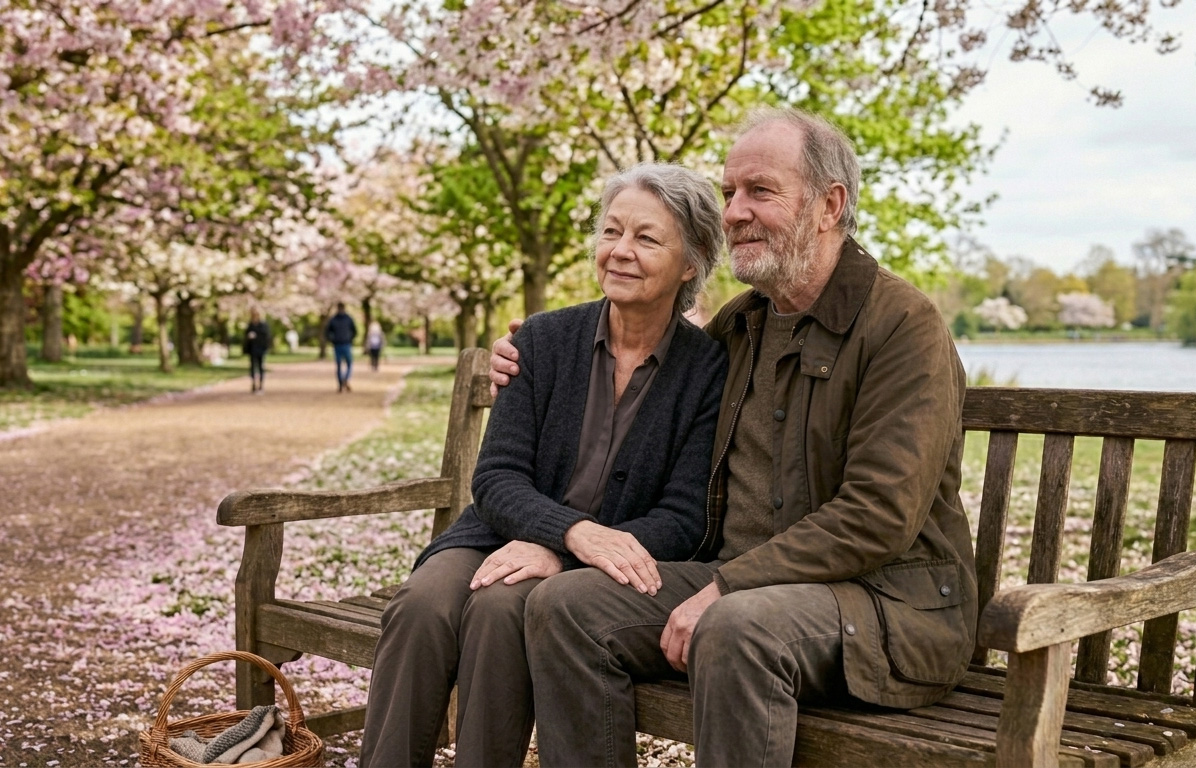
An older couple sitting together on a park bench under cherry blossom trees — a life lived together, worth preserving
The problem

Memory is not the same as record-keeping.

Photographs capture moments. Documents capture facts. Social media captures performance. None of them capture what actually made a person who they were — the significance of relationships, the weight of choices, the context that makes events mean something to the people who come after.

The result is a gap between what gets recorded and what actually mattered. That gap grows wider with every year that passes without a structured attempt to close it. And unlike data, the content of that gap cannot be recovered once the person who holds it is gone.

What gets lost
Facts
Dates and names survive

The skeleton of a life. Preserved in documents and databases. Largely meaningless without context.

Context
Why things happened is lost

The decisions behind the facts — what led someone to a particular choice, city, relationship, career.

Meaning
What things meant disappears

Which friendships defined them. What was the soundtrack of your life. The significance that turned events into experience.

Voice
The person themselves goes silent

How they told stories. What they laughed at. The way they saw the world — irreplaceable and unrecoverable unless captured while they're here.

The dementia dimension

Memory loss doesn't wait for the right moment.

For the more than 900,000 people living with dementia in the UK, and millions more worldwide, the loss of personal memory is not a future possibility — it is a present reality, often arriving years before families realise they have lost the chance to capture it.

RAGMI gives individuals and families a way to build a structured record of a life before memory becomes unreliable — not as a medical intervention, but as an act of love. The folio built while memory is intact becomes the record that endures when it is not.

A completed folio can also form the foundation for meaningful engagement with AI companions that provide comfort and familiarity to people experiencing memory loss — and reassurance to the families who care for them.
"The most dangerous moment is not when someone forgets. It's the years before, when capturing was possible but didn't feel urgent. By the time urgency arrives, the window is often already closing."
Phil John · Founder, RAGMI
Who you're doing it for

A folio is a gift to people you may never meet.

Yourself

A mirror that holds still

The act of building a folio is itself clarifying and immensly satisfying. Mapping your connections, weighting your memories, telling your own stories — it forces a kind of structured reflection that most people never do.

Your family

The version of you they never knew

Your children know you as a parent. Publish a folio and share it via the free RAGMI Player — so the people who love you can encounter who you were before they knew you, in your own words and your own voice.

The future

A record that outlasts everything

Built in an open standard — the Human Context Protocol — designed to be readable by systems that don't yet exist. A folio is not tied to a platform or company. It is yours to hold, pass on, and preserve indefinitely.

Start capturing.
While you still can.

There is no right moment to start. There is only before, and after it's too late.

Download for Mac See it in action →